

The Complete Guide to Pet Care Franchises [2026]
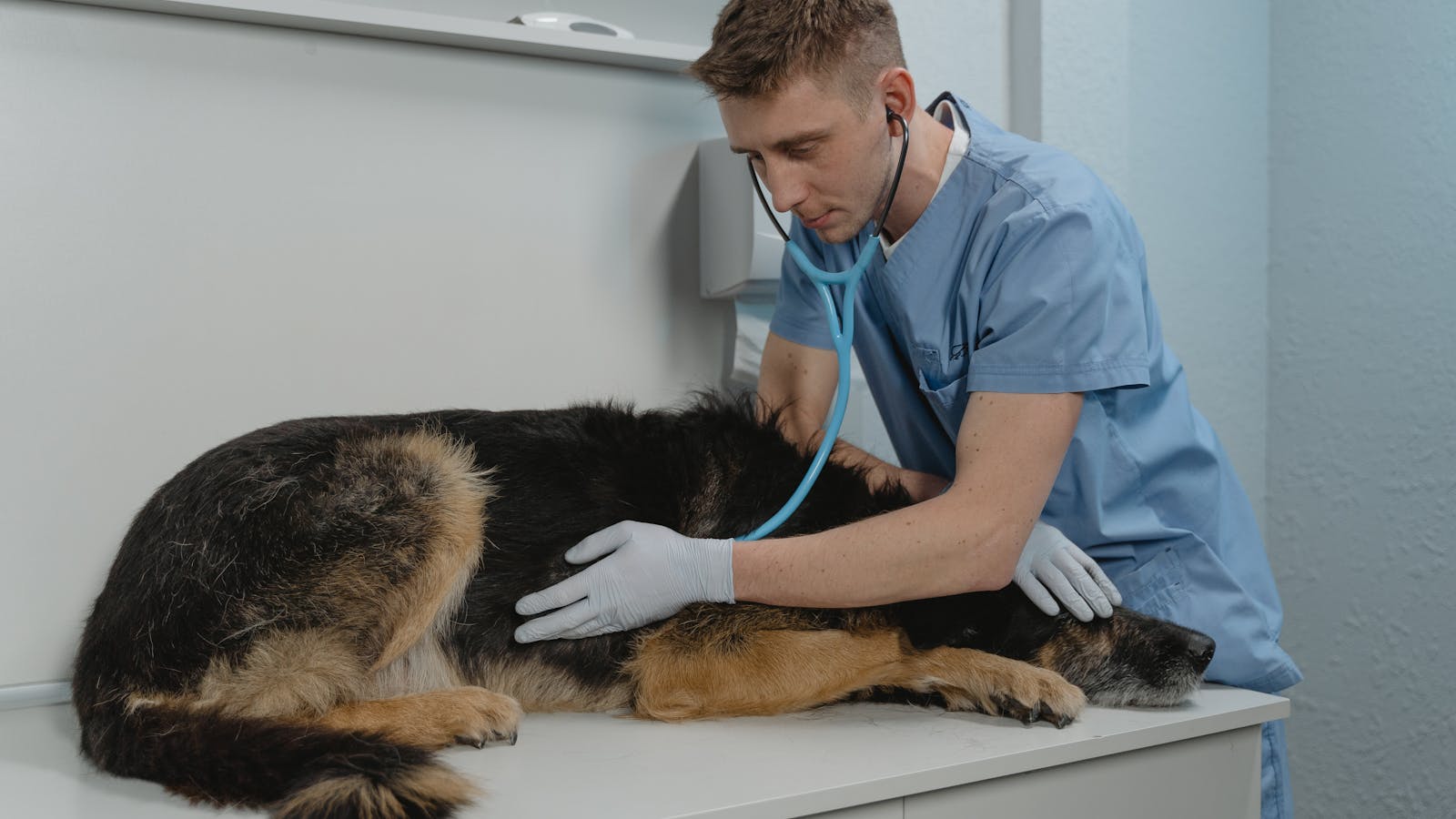
A pet care franchise is a licensed business model where an operator pays a franchisor for the rights to open and run a pet services location — such as dog daycare, grooming, boarding, or training — under an established brand. The U.S. pet care industry generated $150+ billion in revenue in 2025, and franchise opportunities in this space typically require an initial investment of $150,000 to $500,000 depending on the brand, location, and service model.
Why Pet Care Franchises Are Booming
The pet industry is one of the most recession-resistant sectors in the American economy. Through every economic downturn since 2008, pet spending has increased year over year.
Pet ownership is at historic highs. 66% of U.S. households — approximately 86.9 million homes — own at least one pet. That number has grown steadily since the pandemic-era adoption surge.
Spending per pet is accelerating. The humanization of pets means owners increasingly view their animals as family members and spend accordingly. Premium services like boutique daycare, organic food, and wellness plans are the fastest-growing categories.
Dog daycare is the standout segment. While grooming and boarding are mature markets, dog daycare has grown 8–12% annually since 2020, driven by urban millennials and Gen Z pet owners.
Franchise models reduce risk. Opening an independent pet care business requires building everything from scratch. A franchise provides a proven playbook, which is why franchise failure rates are significantly lower than independent startups.
Pet Care Franchise Categories
Dog Daycare Franchises. Supervised facility-based care where dogs spend the day socializing and playing. Typical investment: $350K–$1.5M. Examples: Dogdrop
Pet Grooming Franchises. Bathing, haircuts, nail trimming, and specialty grooming services. Typical investment: $250K–$600K.
Pet Boarding Franchises. Overnight care for pets while owners travel. Seasonal peaks around holidays. Typical investment: $250K–$600K.
Multi-Service Pet Care Franchises. Facilities combining daycare, boarding, grooming, and training. Higher investment but more revenue streams. Typical investment: $400K–$800K.
Mobile and Home-Based Pet Franchises. Poop scooping, Pet sitting, dog walking, or mobile grooming without a fixed facility. Typical investment: $50K–$150K.
What to Evaluate Before Buying a Pet Care Franchise
Unit Economics. Request the Franchise Disclosure Document (FDD) and study Item 19 carefully. Key metrics: average revenue per location, time to breakeven, typical operating margins, and revenue per square foot.
Territory and Market Analysis. Evaluate dog ownership rates, household income levels, competitive density, population growth trends, and commercial real estate costs in your target area.
Franchisor Support. Evaluate training program depth, grand opening support, ongoing marketing and technology support, field support and performance coaching.
Brand Differentiation. Does this brand have a clear, differentiated position? Does it appeal to the target demographic? Is it investing in digital marketing?
The Dogdrop Franchise Opportunity
Dogdrop was built from the ground up as a modern, scalable franchise concept. Our urban-first model features smaller footprints with higher revenue per square foot and lower buildout costs. Our no-appointment drop-in model drives higher visit frequency. Technology-driven operations handle booking, check-in, owner communication, and analytics. Modern brand positioning resonates with millennial and Gen Z pet owners.
Pet Care Franchise Costs Compared
Dogdrop: Initial investment $350–$600K, franchise fee $12K, royalty 2%,brand fund 2%, technology fee 2%, footprint 2,000–3,000 sq ft. Urban drop-in model with modern brand.
Dogtopia: Initial investment $1.2-$1.48M, franchise fee $49.5K, royalty 7%, footprint 5,000–8,000 sq ft. Largest network, established brand.
Camp Bow Wow: Initial investment $521K–$1.26M, franchise fee $50K, royalty 7%, footprint 5,000–10,000 sq ft. Boarding + daycare combo.
Hounds Town USA: Initial investment $341K–$583K, franchise fee $49.5K, royalty 6%, footprint 3,000–6,000 sq ft. Pack-based play groups.
Please check with the latest FDDs for actual investment costs. Costs above may not be accurate.
Frequently Asked Questions
Do I need pet industry experience? No. Most franchisors provide comprehensive training. What matters more is business acumen and community engagement skills.
How do I finance a pet care franchise? Common options include SBA loans, conventional business loans, home equity, retirement account rollovers (ROBS), and personal savings.
How long does it take to open? Typically 6–12 months from signing the franchise agreement to grand opening.
What are the ongoing costs? Royalty fees (5–7% of gross revenue), marketing fund contribution (1–2%), rent, payroll, insurance, supplies, and technology fees.
Can I own multiple locations? Yes. Multi-unit ownership is common and often encouraged with development agreements for multiple territories.
What’s the biggest risk? Choosing a poor location and undercapitalization. Make sure your real estate selection is data-driven and you have 6+ months of operating reserves.