

The Complete Guide to Dog Behavior & Socialization
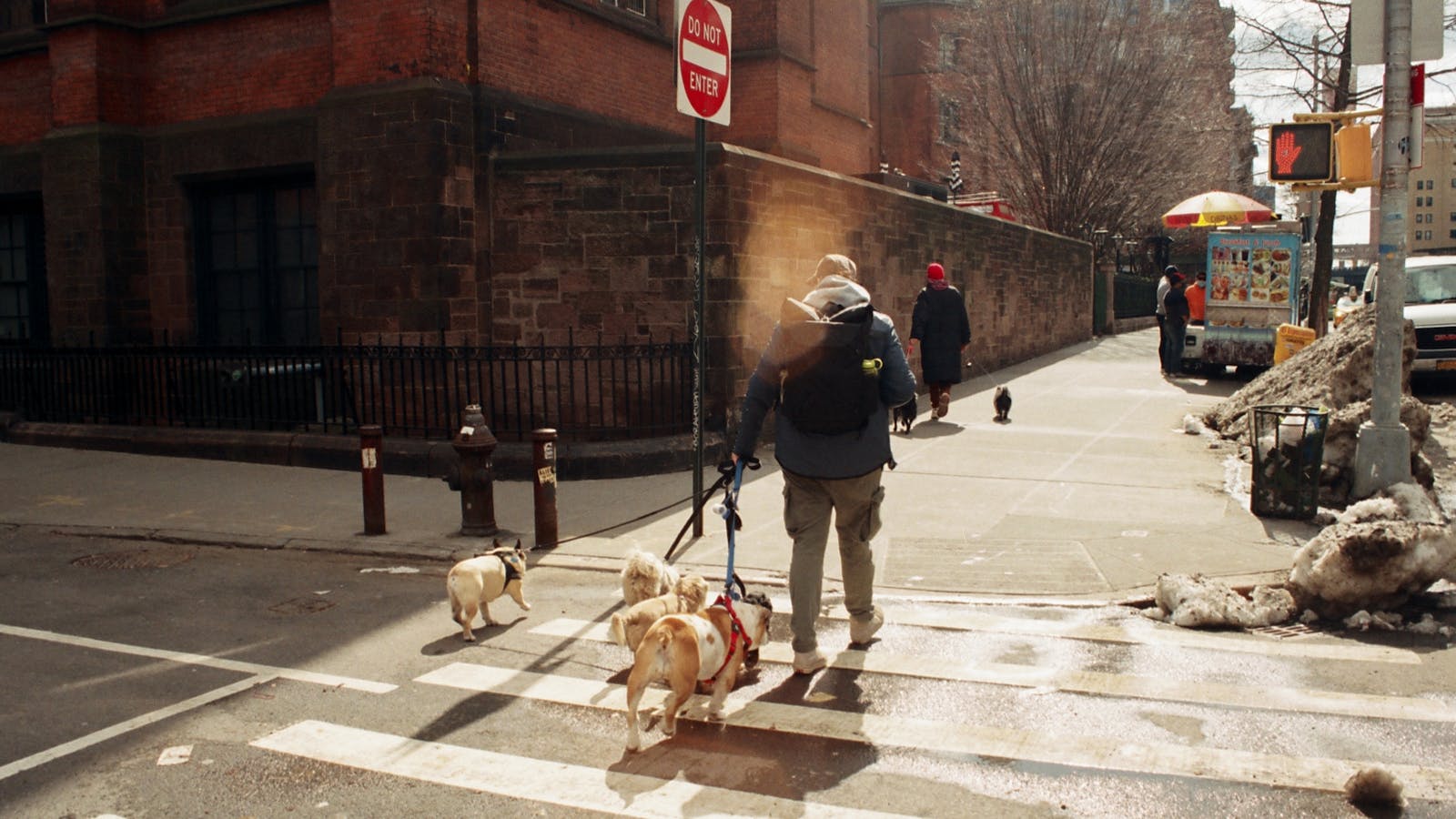
East Austin has changed. The East MLK corridor specifically — where Dogdrop sits at 2823 E Martin Luther King Jr Blvd Suite 150 — has become one of the most densely dog-populated stretches of the city.
That's not an accident. East Austin attracts the kind of residents who brought dogs when they moved here: tech workers relocated from the Bay Area, freelancers and creatives who work from home some days and not others, young families in the Mueller development a few blocks north. All of them, increasingly, have dogs. And most of them have schedules that don't fit a traditional dog daycare model.
The traditional model assumes you know 48 hours in advance that you'll need daycare. It charges you for a full day whether your dog is there for three hours or eight. It has required reservation windows and fixed drop-off times.
East Austin doesn't live like that. Dogdrop is built to match.
Drop-In Dog Daycare on East MLK
Dogdrop's East Austin location doesn't take appointments — ever. Walk in during operating hours, drop off, and come back when your day wraps up. Curbside drop-off takes under 90 seconds for returning members.
Pricing is $15/hour in 30-minute increments. Two hours is two hours. You're not paying a flat daily rate for time your dog isn't actually there.
For East Austin residents who have irregular schedules — or who just had a day go sideways and need care they didn't plan for — this matters.
What Happens During the Visit
Dogdrop runs on an open-play model. Dogs remain in supervised group play throughout the day — they're not rotated in and out of kennels between sessions. The groups are organized by energy level and temperament, not just size. Three zones, matched to how dogs actually behave together.
Enrichment is built into the day: puzzle feeders, scent work, and mentally engaging activities alongside physical play. The distinction matters because a dog that's physically tired and mentally understimulated is going to have a worse day — and a harder evening at home — than one that's had both.
All staff hold pet CPR/First Aid certification and dog behavior credentials.
New to Dogdrop? The Good Fit Test is a free 1-2 hour assessment that lets us understand your dog's play style before they join a group. No charge, no commitment — just a way to make sure the environment is the right fit.
The East Austin Location
Address: 2823 E Martin Luther King Jr Blvd Suite 150, Austin, TX 78702
The location sits in the East MLK corridor, within easy reach of Mueller, Cherrywood, East Cesar Chavez, Holly, and Downtown Austin. The 78702 zip code is one of the highest-growth zip codes in the city. The dog population here has grown alongside the human one.
For East Austin Dog Owners: Practical Notes
If you work from home some days: The drop-in model is designed for exactly this. Bring your dog on the days you need uninterrupted focus. Don't on the days you don't.
If you're new to East Austin: The Good Fit Test is a low-pressure way to see how your dog does in a group environment before committing to anything. It's free, it takes 1-2 hours, and it tells you a lot about what your dog actually needs.
If you're attending a local event or festival: SXSW, ACL, and Austin's calendar of local events often consume entire days. Dogdrop is open during operating hours — drop off before your day gets full.
If you have a membership: One Dogdrop membership gives you access to every location — Austin, Hollywood, Arts District DTLA, Anaheim, Fort Lauderdale, and Denver. Austin residents who travel regularly for work can use Dogdrop wherever they land.
Frequently Asked Questions: Dog Daycare East Austin
Is there dog daycare in East Austin with no appointment? Yes. Dogdrop at 2823 E Martin Luther King Jr Blvd never requires an appointment. Walk in during operating hours.
How much does dog daycare cost in East Austin? Dogdrop charges $15/hour in 30-minute increments. Memberships ($99-$299/month) offer discounted rates and multi-location access.
What is open-play dog daycare? Dogs remain in supervised group play throughout the visit — not rotated into kennels between sessions. Groups are organized by energy level and temperament, with enrichment activities built into the day.
Where is Dogdrop in East Austin? 2823 E Martin Luther King Jr Blvd Suite 150, Austin, TX 78702 — in the East MLK corridor near Mueller and Cherrywood.
How do I start at Dogdrop East Austin? The Good Fit Test is the first step — a free 1-2 hour assessment for any dog new to Dogdrop. Walk in or check the Austin location page to learn more.
Is Dogdrop right for high-energy dogs? High-energy dogs go in our high-energy zone, where they play with dogs of similar intensity. The three-zone structure means your dog isn't stuck in a group that's wrong for their style.Planning a trip to Disneyland with your furry best friend? We understand the desire to bring your dog along for the magic and memories. However, Disneyland has strict pet policies that make bringing your dog into the parks impossible for most visitors. The good news is that there are plenty of solutions to ensure your dog is happy, safe, and well-cared-for while you enjoy your vacation. This guide covers everything you need to know about visiting Disneyland with a dog, including what you can and cannot do, where your dog can go in the Disneyland area, and how to find the best care for your pup while you are in the parks.
Can You Bring a Dog to Disneyland?
The short answer is no. Disneyland Resort's pet policy is clear: only certified service animals are permitted inside the parks. This means your beloved pet dog, regardless of how well-behaved or small, cannot accompany you through the gates. Service animals are defined by the Americans with Disabilities Act (ADA) as dogs individually trained to do work or perform tasks for people with disabilities. Emotional support animals and therapy dogs, while important, do not qualify under Disneyland's service animal policy.
This restriction applies across the entire Disneyland Resort, including Disneyland Park, Disney California Adventure Park, and most of the Downtown Disney shopping district.
Dog-Friendly Areas Near Disneyland
While your dog cannot join you in the parks themselves, there are dog-friendly spaces in the immediate Disneyland area where you can spend time with your pet between park visits or on your days off.
Downtown Disney has limited dog-friendly options, but some outdoor dining areas and the outdoor shopping sections welcome leashed dogs.
The Anaheim Packing District, about 10 minutes from Disneyland, is a fantastic outdoor venue with restaurants, shops, and a dog-friendly atmosphere. Many vendors welcome dogs on their patios.
Yorba Regional Park and the Dog Park at Brea are both within 15-20 minutes of Disneyland. These designated dog parks give your pup a chance to run, play, and socialize with other dogs.
Pet-Friendly Hotel Options
Many hotels near Disneyland welcome dogs with pet fees and amenities. When booking your vacation, look for hotels that explicitly state they welcome dogs and offer pet-friendly rooms. However, it is not recommended to leave your dog alone in a hotel room for the 10-12 hours you will spend in the parks. Dogs can experience separation anxiety, and they need bathroom breaks, exercise, and social interaction throughout the day.The Best Solution: Dog Daycare Near Disneyland
This is where dog daycare near Disneyland becomes your vacation game-changer. Dogdrop Anaheim is just 7 minutes from Disneyland, making it the perfect solution for visitors who want their dogs to be happy and stimulated while they enjoy the parks.
Open-Play Model: Your dog plays in open spaces with other dogs, supervised by trained staff. Dogs are divided into three energy zones based on their play style.
Professional Care: All Dogdrop staff are Pet CPR and First Aid certified and dog behavior certified.
Enrichment Throughout the Day: Dogdrop uses four pillars of enrichment: cognitive, sensory, social, and rest. Your dog gets mentally stimulated and given adequate rest in comfortable break boxes.
Convenient for Visitors: Dogdrop offers a rate of $75 per day for Disneyland visitors, and there is no Good Fit Test required for one-time drop-offs.
How to Book Dogdrop Anaheim for Your Visit
Call to Book: Contact Dogdrop Anaheim at (510) 925-2142 or email anaheim@dogdrop.co.
Hours: Open 7am-8pm Monday-Friday and 9am-3pm Saturday. Closed Sundays.
Requirements: Current vaccinations including Rabies, Bordetella, and DHPP. Dogs must be spayed or neutered at 8 months or older.
Food: House food (beef kibble) for $5, or bring your own.
Frequently Asked Questions
What vaccinations does my dog need to attend Dogdrop Anaheim?
Your dog must have current vaccinations for Rabies, Bordetella (kennel cough), and DHPP. Bring documentation of these vaccines when you drop off your dog.
Will my dog be okay in an open-play environment if they are not used to other dogs?
Dogdrop uses three energy zones to match dogs with compatible playmates. Staff are trained in dog behavior and can guide whether your dog is a good fit and which zone works best.
How much does a day of daycare at Dogdrop Anaheim cost?
For Disneyland visitors, the rate is $75 per day. You can book directly by phone at (510) 925-2142.
Is it safe for my dog to spend the entire day in open-play without breaks?
Your dog will not be playing non-stop. Dogdrop incorporates rest breaks throughout the day in comfortable break boxes, ensuring adequate sleep and downtime.
Ready to Enjoy Disneyland Worry-Free?
Your Disneyland vacation should be magical for everyone in the family, including your dog. Call Dogdrop Anaheim at (510) 925-2142 to book your dog's daycare while you explore the parks. We are just 7 minutes away.Dog socialization is the process of exposing your dog to different people, animals, environments, and experiences in a positive way — it's foundational to developing a confident, well-adjusted dog. Without proper socialization, dogs are more likely to develop fear, anxiety, and aggression. Structured daycare environments provide controlled settings where trained staff facilitate healthy social interactions and teach dogs how to navigate complex social situations.
Understanding Socialization Windows in Puppies
The critical socialization period for puppies occurs between 3 and 14 weeks of age. During this window, puppies are naturally curious and more receptive to new experiences. Positive exposures during this time create lasting neural pathways that shape how your dog responds to the world throughout life.
Many puppies don't have full vaccination immunity until 16 weeks, which creates a timing challenge for new owners. This doesn't mean waiting until 16 weeks to socialize — it means being strategic. You can expose puppies to controlled social environments with other vaccinated dogs, introduce them to people in low-traffic settings, and use games and activities to build confidence at home.
Missing the socialization window doesn't doom your dog. Adult dogs can still learn and adjust, but it requires more intentional effort. Early socialization simply makes the process easier and more natural.
At Dogdrop, we understand this critical timeline. Our team works with puppies to introduce them to various play styles, temperaments, and social dynamics in a supervised setting where trained staff actively manage interactions. We start with smaller groups and gradually increase complexity as puppies demonstrate readiness.
Socializing Adult Dogs: It's Never Too Late
Adult dogs benefit tremendously from socialization, even if they missed critical early windows. Whether you've adopted a rescue dog, moved to a new environment, or simply want to expand your dog's world, gradual positive exposure works.
The key is progressing at your individual dog's pace. An adult dog who's never been around other dogs needs different handling than a young pup. Calm, structured introductions matter more than rapid exposure. Start with one familiar dog, observe for signs of stress, and only increase complexity when your dog demonstrates comfort.
Adult socialization addresses specific needs: overcoming fear of unfamiliar people, building confidence around other dogs, adjusting to new environments, or managing reactivity. Some adult dogs benefit from spending time in multi-dog environments where they can observe calm, confident dogs modeling appropriate behavior.
Our daycare environment serves as an ongoing socialization tool for adult dogs. Rather than one-off exposures, repeated positive interactions in a consistent setting help dogs internalize what's safe and predictable. Dogs learn that other dogs being present is normal, manageable, and can be enjoyable.
Reading Dog Body Language: The Foundation of Safe Interaction
Understanding canine body language is essential for safe socialization. Dogs communicate constantly through their ears, tail, posture, mouth, and eyes. Learning to read these signals prevents many behavior problems and helps you recognize when your dog is stressed, comfortable, or overstimulated.
A confident, relaxed dog has ears in a natural position (not pinned back or extremely forward), soft eyes, a loose wagging tail, and open body posture. Their mouth may be slightly open in a soft pant.
Warning signs include pinned-back ears, tucked tail, stiff body posture, tense jaw, intense staring, raised hackles, and rapid or shallow breathing. These signals mean your dog is uncomfortable and needs space.
The challenge is that dog body language exists on a spectrum. A tail wag doesn't always mean happiness — it can indicate arousal that could be positive or negative. Stiff posture could mean anxiety or intense focus. Context matters enormously.
A dog showing multiple stress signals in combination — pinned ears, tucked tail, and avoidance — is clearly uncomfortable. A dog with soft eyes, loose tail movement, and forward-leaning posture is likely confident. Subtle signals like a slight increase in breathing rate or brief ear adjustment matter in intermediate situations.
At Dogdrop, our trained staff are constantly reading body language to manage group dynamics. Rather than allowing situations to escalate to obvious stress signals, we recognize early subtle changes and create breaks or adjust groupings. This proactive approach prevents negative experiences that could undermine socialization progress.Play Styles: Why Some Dogs Don't "Get" Daycare
Not all dogs play the same way, and mismatches in play style are the most common source of daycare stress. Some dogs are chase-focused, some love wrestling, some prefer low-energy sniffing games, and some don't want to play with other dogs at all.
A high-energy chaser matched with a low-energy sniff-focused dog will likely cause frustration. A rough-housing wrestler paired with a gentle dog may cause the gentler dog to shut down. Dogs with completely different energy levels and play preferences often don't click together.
The intensity of play also matters. Some dogs engage in wild, full-contact play with lots of mouth involvement and intense vocalizations. Others prefer calmer interactions. Neither style is wrong, but mixing them carelessly creates conflict.
Dogdrop's low staff-to-dog ratio allows us to actively manage play rather than supervise passively. Our team matches dogs based on play style, energy level, and temperament — not just age or size. We create small, compatible groups where social time is genuinely enjoyable rather than stressful. This means some dogs thrive in our daycare while others do better with individual activities and limited group time.
Separation Anxiety: When Daycare Helps and When It Doesn't
Separation anxiety occurs when a dog experiences significant distress when separated from their owner. It manifests as destructive behavior, excessive barking, house soiling, or escape attempts. This is a genuine anxiety disorder, not willful disobedience or lack of training.
Gradual desensitization to separation can help many dogs with mild separation anxiety. Short absences in safe environments, combined with positive associations, teach your dog that you consistently return. Over time, your dog learns that separation is temporary and manageable.
Daycare can be a valuable tool in this process — but only when approached correctly. A dog with separation anxiety needs to first feel secure around the daycare environment and attendants. Dumping a severely anxious dog into a new, chaotic setting will worsen anxiety, not resolve it.
The pathway looks like: building security in the facility with shorter visits, having dogs interact with staff when calmer, gradually introducing other dogs, and only increasing time and complexity as your dog demonstrates comfort. This takes patience and sometimes weeks or months.
Some dogs with severe separation anxiety need behavioral medication and work with a veterinary behaviorist before daycare is even appropriate. The right professional can assess whether daycare is a helpful tool for your specific dog's anxiety profile.
At Dogdrop, we have structured transition processes for dogs with known separation concerns. We don't expect immediate comfort; we build it systematically. Our staff understand that anxious dogs need quiet time, crate breaks, and predictability — not constant stimulation.
Preventing and Managing Reactivity in Social Settings
Reactivity — excessive barking, lunging, or aggressive displays toward other dogs — is different from aggression. A reactive dog may not intend to harm other dogs; they're responding to arousal, fear, or overexcitement with an inappropriate intensity that scares both owners and other dogs.
Reactivity often develops from a combination of factors: lack of early socialization, traumatic experiences, genetics, and reinforcement. If a dog lunges at another dog and the owner immediately pulls them away, the reactive dog learns that lunging makes the scary thing go away. This reinforces the reactive behavior.
Managing reactivity in group settings requires consistent, calm responses. Your dog needs to learn that other dogs appearing creates opportunities for good things to happen — treats, praise, toys — not for escalated emotional responses.
Some reactivity stems from overstimulation in group settings. A dog without exposure to multiple other dogs simultaneously can become overwhelmed. This isn't disobedience; it's sensory and emotional overload.
Daycare environments offer ongoing opportunities for desensitization and counter-conditioning. Dogs learn that other dogs are present, activity is normal, and calm behavior is rewarded. Importantly, they do this repeatedly in a consistent setting, which builds confidence faster than scattered practice.
However, a highly reactive dog needs carefully managed introductions and may not be ready for full group daycare. A trained behaviorist assessment helps determine the right starting point.Overstimulation: Recognizing When It's Time for a Break
Overstimulation occurs when a dog has been in a heightened arousal state for too long without adequate recovery time. A playful, happy dog can shift into an overstimulated state without an owner noticing until behavior deteriorates — the dog becomes aggressive, frantic, or completely unresponsive to commands.
Warning signs of overstimulation include: mounting other dogs repeatedly, increasingly rough play, difficulty responding to redirects, rapid breathing, dilated pupils, inability to focus, and sudden aggression. These signals mean your dog needs a break, not more stimulation.
Many daycare mistakes happen because staff don't proactively manage breaks. Dogs stay in continuous group play for hours, excitement escalates, and incidents occur that could easily be prevented by removing a dog from the group for 15-20 minutes to rest.
Mental and physical exercise aren't the same. A tired dog isn't necessarily a calm dog. A dog who's been playing intensely without breaks will be tired but overstimulated — prone to reactivity and poor decision-making. Conversely, a dog who's had structured play combined with quiet time will be tired and calm.
At Dogdrop, we use crates as rest spaces where dogs recover from group play. These are scheduled, intentional breaks — not punishment or isolation. A dog in a crate with a chew toy or puzzle feeder gets mental stimulation while their arousal level comes down. This prevents the escalating overstimulation that causes daycare incidents and ensures dogs actually enjoy their experience.
The crate break philosophy reflects our understanding that dogs need rhythm: stimulation balanced with recovery, social time balanced with solitude, activity balanced with rest.
How Structured Daycare Supports Healthy Behavior Development
Structured daycare differs fundamentally from unmanaged dog parks or free-play facilities. The difference lies in staff training, group management, and intentional design.
A properly run daycare has trained staff who read dog body language and intervene proactively before problems escalate, manage group dynamics based on compatibility, provide scheduled breaks and monitor individual stress levels, facilitate positive experiences through thoughtful play management, introduce enrichment activities that stimulate minds not just bodies, and document behavioral patterns over time to catch developing problems.
This ongoing structured exposure teaches dogs that social situations are manageable, predictable, and often rewarding. Dogs learn to read other dogs' signals, regulate their arousal, and choose appropriate responses. They practice socialization with expert guidance — far different from hope-and-see approaches.
For puppies, structured daycare creates a controlled socialization experience. Puppies meet various dogs, people, and environments in settings designed to build positive associations, not fear or overload.
For adult dogs with behavior challenges, daycare provides a rehabilitation pathway. Dogs with reactivity, fearfulness, or overstimulation issues can work through these problems in a setting where trained staff actively manage success rather than hoping the dog learns through exposure alone.
The key is consistency. One positive daycare experience teaches the dog something. Dozens of positive experiences, repeated weekly, rewire their default response to social situations.
When Daycare Isn't the Right Fit
Daycare isn't appropriate for every dog, and recognizing this early prevents frustration and behavioral setbacks.
Dogs with severe aggression toward other dogs — those with a history of injury-causing incidents — need specialized behavioral rehabilitation, not group daycare. Daycare risks escalating their aggression by reinforcing that they can control others through intimidation.
Some dogs simply have lower social needs. Introverted, older dogs, or dogs from breeds with lower-drive play may genuinely prefer quiet companionship to group play. Forcing these dogs into daycare can increase anxiety and doesn't provide the enrichment they need.
Dogs with unmanaged medical issues — pain from injury, dental problems, or illness — shouldn't attend daycare. Medical discomfort makes dogs reactive and prevents them from genuinely enjoying social interaction.
Severely anxious dogs who haven't yet learned to feel safe around new people or environments may need months of individual work before daycare is appropriate. Starting them in daycare before they're ready can solidify their anxiety rather than resolve it.
The right professional — your veterinarian or a certified animal behaviorist — can assess whether daycare fits your dog's needs and developmental stage. This assessment is invaluable. A dog who's genuinely not ready for daycare will show this through stressed behavior, aggression, or withdrawal. Continuing daycare under these circumstances damages progress rather than building it.FAQ: Dog Behavior & Socialization
At what age can puppies start daycare?
After initial vaccinations (typically 8-10 weeks), puppies can often start daycare, though full immunity happens around 16 weeks. Many daycares begin with short, low-stress visits during the critical socialization window. Always confirm your facility's vaccination requirements and has a structured approach for young puppies. Starting early with guided, controlled experiences gives puppies a head start in confidence and social competence.
How do I know if my dog is actually enjoying daycare or just stressed?
A dog genuinely enjoying daycare will show relaxed body language, initiate play, eat meals, and rest during breaks. A stressed dog shows pinned ears, tucked tail, avoidance of other dogs, and resistance to entering. The telltale sign: after daycare, does your dog seem happy but tired, or anxious and frantic? Happy tiredness is the goal. If your dog consistently shows stress signals at pickup or behaviors worsen after daycare, the facility or timing isn't matching their needs.
Can daycare "fix" a dog with behavior problems?
Daycare supports behavior improvement when used as part of a comprehensive approach — alongside training, management, and sometimes medication. It's not a cure-all. A reactivity issue requires environmental management (reducing triggers), training (teaching new responses), and controlled socialization. Daycare provides the socialization piece, but without other components, it won't resolve the problem and might worsen it.
Why do some dogs get worse after starting daycare?
Usually because the dog wasn't developmentally ready, the facility's management approach wasn't appropriate for that dog's needs, or the facility missed behavioral warning signs that were escalating. Some dogs need lower-pressure introductions, smaller groups, or more individual work before group daycare makes sense. A good facility notices this early and adjusts.
How often should my dog attend daycare for real socialization benefits?
Consistency matters more than frequency. Once-weekly daycare in a structured environment with the same staff and compatible dogs teaches your dog much more than sporadic visits. Multiple times weekly accelerates the learning process. That said, quality matters more than quantity. One excellent, well-managed daycare experience weekly beats chaotic, poorly-supervised daily visits every time.
How Dogdrop Approaches Dog Behavior & Socialization
At Dogdrop, we've built our entire model around supporting healthy behavior development. Every aspect — our staff training, group sizes, facility design, and daily rhythm — serves the goal of making each dog's experience positive and growth-oriented.
Low staff-to-dog ratios mean our team can actively manage interactions rather than respond reactively. We're reading body language constantly, noticing subtle stress signals before they escalate, and adjusting groupings when compatibility isn't working.
Our team is trained in dog behavior, not just animal care. We understand arousal states, play style differences, and the specific needs of dogs at different developmental stages.
We use crates for breaks, and we design the experience so dogs genuinely want to use them. Crates are where dogs rest, eat, and get mental enrichment — they're valuable spaces, not places of punishment.
Enrichment is core to our approach. Social play is valuable, but it's not the only way dogs develop confidence and competence. Scent work, puzzle toys, physical challenges, and environmental exploration all contribute to well-rounded development.
We track individual dogs over time. Our staff notice patterns: which dogs are ready for bigger groups, which dogs are starting to show stress signals, which play style matches work well, how a dog's confidence is developing week by week.
Whether you're raising a puppy and want structured socialization, working through a behavioral challenge with an adult dog, or simply want an environment where your dog learns that social situations are manageable and enjoyable, Dogdrop provides the expert management that makes real growth possible.
Ready to explore structured socialization for your dog? Visit Dogdrop at our locations in Hollywood, DTLA Arts District, Denver, Anaheim, East Austin, or Flagler Village (Fort Lauderdale). Whether you need an hour or a full day of expert care, our team is ready to support your dog's behavioral growth. Get Started at Your Nearest Dogdrop Location.